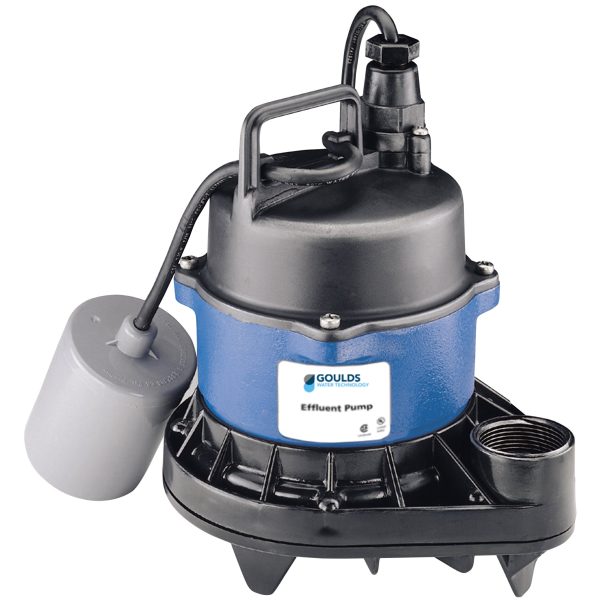
 Armstrong Pumps
 Bell & Gossett
 Taco Pumps
 Goulds Water Technology
 Grundfos Pumps
 Wilo & Scot Pumps
 Boilermag XT magnetic filter
 Circulator Pumps
 Hoffman Specialty
 John Crane
 McDonnell & Miller
 Heat Exchangers
 B&G Power Packs
 Weg Motors
 TechTop Motors
 US Motors & Nidec
 Baldor Motors
 SKF Motor Bearings
 Motor Repairs
 Armstrong
 Hoffman Specialty
 SKF Bearings
Winter Maintenance Tips for Mechanical Rooms in Commercial Buildings
As temperatures drop across British Columbia, commercial building owners and facility managers need to ensure their mechanical rooms are ready for the demands of winter. Cold weather puts additional stress on heating systems, pumps, circulators, valves, and other essential mechanical equipment. Without proper maintenance, small issues can quickly turn into costly repairs, unexpected downtime, or even water damage.
At Inline Sales & Service Ltd., we understand how important reliable mechanical equipment is to keeping commercial buildings operating efficiently. From pump inspections and repairs to replacement parts and new equipment, our team helps commercial customers keep their systems running smoothly throughout the heating season.
Here are our top winter maintenance tips for commercial building mechanical rooms.
1. Inspect Pumps and Circulators Before the Cold Weather Arrives
Pumps and circulators are essential to maintaining proper water flow throughout commercial heating systems. When temperatures fall, these components must operate reliably to deliver heat where it is needed.
Before winter begins, inspect all heating pumps and circulators for signs of wear or damage.
What to check:
Leaks: Look for water around pump housings, flanges, gaskets, and mechanical seals. A leak that appears to come from a gasket may actually originate from a worn mechanical seal.
Unusual noise or vibration: Grinding, humming, or excessive vibration may indicate worn motor bearings, misalignment, or other mechanical problems.
Motor condition: Check for overheating, excessive noise, and signs of deterioration.
Operating performance: Confirm that pumps are circulating water properly and meeting the system’s required flow and pressure.
Mechanical seals and bearings: Address worn components before they lead to equipment failure.
Preventive repairs can help extend equipment life and reduce the risk of losing heating circulation during the coldest days of the year.
Inline Sales & Service Ltd. provides in-shop pump and motor repairs, including mechanical seal, gasket, and bearing replacement for many major pump brands.
2. Check Mechanical Seals, Gaskets, and Flanges for Leaks
Small leaks can become bigger problems when heating systems operate continuously through the winter.
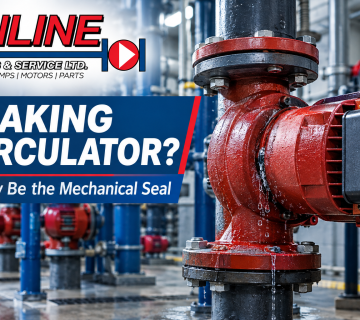
Mechanical seals are designed to prevent water from escaping around the rotating pump shaft. Over time, seals can wear due to operating conditions, dry running, vibration, improper installation, or normal service life.
A common mistake is assuming that every leak around a circulator is caused by a failed gasket. In many cases, water from a failing mechanical seal travels across the pump housing, making it appear as though the gasket is leaking.
Winter maintenance recommendations:
Inspect pumps and circulators for moisture, mineral deposits, and corrosion.
Check flange connections and accessible gasket joints.
Investigate recurring leaks instead of repeatedly tightening connections.
Replace worn mechanical seals and gaskets before the problem worsens.
Keep commonly required replacement parts available for critical equipment.
Armstrong and Bell & Gossett circulators are widely used in commercial hydronic systems. Having the correct replacement parts available can help minimize downtime when repairs are needed.
You can find pump repair parts through Inline Sales & Service Ltd. online or by contacting our Surrey, BC shop.
3. Inspect Motor Bearings and Listen for Unusual Noise
Motor bearings play a critical role in the reliability of pumps and other rotating equipment. When bearings begin to fail, they can cause increased vibration, overheating, shaft movement, and eventually motor failure.
Winter is a demanding time for heating equipment because many systems operate for extended periods with fewer opportunities for maintenance.
Watch for these warning signs:
Grinding, squealing, or rattling noises.
Excessive vibration or movement.
Unusual motor temperatures.
Changes in power consumption or operating performance.
Visible shaft movement or evidence of bearing deterioration.
Bearing failure is not always caused by age alone. Poor lubrication, contamination, misalignment, excessive loads, and improper installation can all contribute.
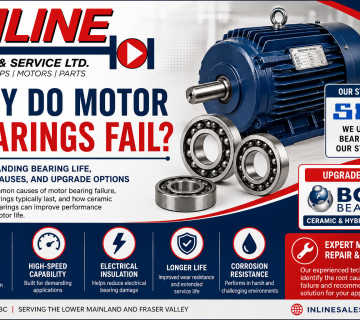
Replacing worn bearings before they fail completely can help protect the motor and connected pump components. Inline Sales & Service Ltd. uses SKF bearings as a standard repair option and can also offer ceramic and hybrid bearing upgrades for suitable applications.
4. Protect Mechanical Rooms and Piping from Freezing
Even in the Lower Mainland, winter temperatures can fall low enough to create freezing risks in vulnerable areas of commercial buildings.
Mechanical rooms may contain exposed piping, water lines, heating loops, and equipment located near exterior walls, loading areas, ventilation openings, or poorly insulated spaces.
Frozen piping can result in cracked components, damaged valves, burst lines, and expensive water damage.
Protect your equipment by:
Inspecting pipe insulation for gaps, damage, or moisture.
Checking that doors, windows, and exterior penetrations are properly sealed.
Confirming that mechanical rooms maintain appropriate temperatures.
Inspecting heating cables and other freeze-protection equipment where installed.
Identifying vulnerable piping in parking garages, rooftops, crawl spaces, and other unheated areas.
Confirming that low-temperature alarms and building automation notifications are functioning.
Do not rely on running pumps alone to prevent freezing. Circulation may help under certain conditions, but it cannot guarantee freeze protection if temperatures drop sufficiently or the system loses heat.
If a building contains glycol-based heating loops, verify the fluid concentration and condition according to the system manufacturer’s recommendations.
5. Check Boiler, Heating Loop, and Hydronic System Performance
A commercial heating system depends on more than the boiler itself. Pumps, control valves, strainers, expansion tanks, air separators, and balancing components all contribute to reliable operation.
If a building is experiencing uneven heating, slow warm-up times, or recurring temperature complaints, the problem may be related to circulation or system performance.
Before peak winter demand, have qualified personnel inspect:
System pressure and expansion tank operation.
Air removal equipment and signs of trapped air.
Strainers and filters for debris or blockage.
Control valves and balancing components.
Supply and return water temperatures.
Pump operation and differential pressure.
Variable frequency drive (VFD) settings and alarms, where applicable.
A partially blocked strainer or incorrectly operating control valve can restrict flow and reduce heating performance. Likewise, a pump that is not operating at its intended duty point may struggle to meet building demand.
Routine inspections help identify these issues before occupants start reporting cold rooms and inconsistent heating.
6. Inspect VFDs, Electrical Connections, and Pump Controls
Many modern commercial buildings use variable frequency drives to adjust pump speed based on system demand. Properly configured VFDs can help reduce energy consumption and maintain stable system operation.
However, incorrect settings, electrical faults, sensor issues, and cooling problems can affect performance.
Winter maintenance should include checking:
VFD fault history and active alarms.
Motor speed and control sequences.
Pressure and temperature sensors.
Electrical connections, performed by qualified personnel.
Drive cooling fans and ventilation openings.
Automatic lead-lag pump sequencing.
Standby pump operation and changeover controls.
If a building has multiple pumps, verify that standby equipment is ready to operate when needed. A backup pump is only useful if its controls, valves, electrical supply, and mechanical condition are suitable for service.
Never open electrical equipment or tighten energized electrical connections unless qualified and authorized to do so.
7. Test Backup Pumps and Critical Mechanical Equipment
Some commercial buildings rely on redundant pumps to maintain heating, domestic water pressure, or other essential services. These systems are particularly important during the winter, when equipment failure can have an immediate impact on building operations.
A backup pump that has been sitting idle may not be ready for an emergency.
Include the following in your maintenance plan:
Confirm that standby pumps are available and free of obvious damage.
Test automatic changeover controls using the approved procedure.
Verify valve positions and control settings.
Check for leaks, corrosion, and signs of seized components.
Confirm that alarms report failures correctly.
Review spare parts availability for critical equipment.
For buildings where uninterrupted operation is essential, maintain a list of critical pump models, motor specifications, mechanical seal kits, and other replacement components.
Keeping the right parts on hand can reduce repair delays when equipment needs immediate attention.
8. Keep Mechanical Rooms Clean, Dry, and Accessible
A clean mechanical room makes inspections easier and helps technicians identify problems before they become serious.
Storage, debris, and standing water can conceal leaks, obstruct access, and create safety hazards. Poor housekeeping can also interfere with ventilation and equipment servicing.
Make sure your mechanical room maintenance routine includes:
Removing unnecessary storage and combustible materials.
Keeping access clear around pumps, boilers, electrical panels, and shutoff valves.
Cleaning up water and investigating its source.
Maintaining proper lighting and safe access.
Checking floor drains and sump pumps where installed.
Keeping equipment identification labels and maintenance records current.
Mechanical rooms should remain accessible for emergency repairs, particularly during periods of extreme cold.
9. Create a Preventive Maintenance Schedule
The best time to discover a failing pump is during a planned inspection, not during a cold snap when the building needs heat the most.
A structured maintenance schedule helps facility managers track equipment condition, identify recurring issues, and budget for repairs or replacement.
Consider the following seasonal checklist:
| Maintenance task | Recommended timing |
|---|---|
| Inspect pumps, circulators, and visible piping for leaks | Before winter and during routine inspections |
| Check motor noise, vibration, and operating temperatures | Before winter and as recommended by the manufacturer |
| Inspect pipe insulation and freeze protection | Before winter and after significant cold weather |
| Check strainers, valves, and hydronic system pressure | According to system condition and maintenance requirements |
| Review VFD alarms and control sequences | Before winter and according to the maintenance plan |
| Test standby pumps and automatic changeover | Before winter and at manufacturer-recommended intervals |
| Review critical spare parts and repair requirements | Before winter and throughout the heating season |
Always follow equipment manufacturers’ instructions and the building’s established maintenance procedures. Inspection frequency should reflect the equipment’s criticality, age, operating conditions, and service history.
10. Know When to Repair or Replace a Pump
Not every pump problem requires a complete replacement. In many cases, repairing the existing equipment can be a practical and cost-effective option.
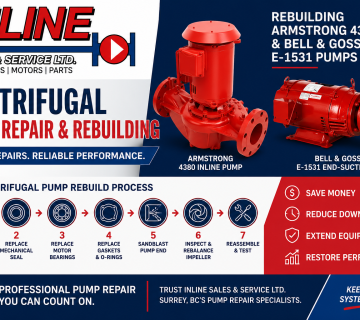
Depending on the pump’s condition, repairs may include replacing mechanical seals, gaskets, motor bearings, or other worn components. Additional work may include cleaning the pump end, inspecting the impeller, checking clearances, and verifying proper alignment and balance.
Replacement may be the better choice when equipment has extensive damage, recurring failures, poor efficiency, obsolete components, or no longer meets the building’s operating requirements.
When evaluating a repair, consider:
The cost of the repair compared with replacement.
The pump’s age and overall condition.
Parts availability and expected lead times.
Energy efficiency and operating costs.
The consequences of another unexpected failure.
Whether the existing pump is correctly sized for the system.
A professional assessment can help determine the most appropriate solution for your building.
Keep Your Commercial Building Ready for Winter with Inline Sales & Service Ltd.
Winter maintenance is an important part of protecting commercial heating systems, reducing unexpected downtime, and extending the service life of mechanical equipment.
From inspecting circulators and replacing worn mechanical seals to rebuilding centrifugal pumps and sourcing replacement components, Inline Sales & Service Ltd. supports commercial HVAC and hydronic systems with pump sales, repair services, and replacement parts.
Our Surrey, British Columbia shop serves customers throughout the Lower Mainland and Fraser Valley, with shipping available across Canada.
Whether you need pump repair parts, replacement equipment, or assistance with an upcoming maintenance project, our team is here to help.
Get your mechanical room ready for winter.
Visit InlineSales.com to explore our available pumps and repair parts, or contact Inline Sales & Service Ltd. to discuss your commercial pump requirements.
Preventive maintenance today can help prevent costly breakdowns tomorrow.