 Armstrong Pumps
 Bell & Gossett
 Taco Pumps
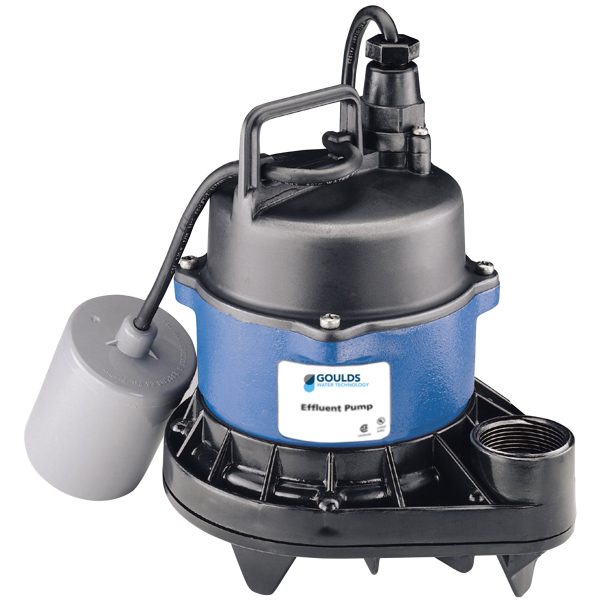
 Goulds Water Technology
 Grundfos Pumps
 Wilo & Scot Pumps
 Boilermag XT magnetic filter
 Circulator Pumps
 Hoffman Specialty
 John Crane
 McDonnell & Miller
 Heat Exchangers
 B&G Power Packs
 Weg Motors
 TechTop Motors
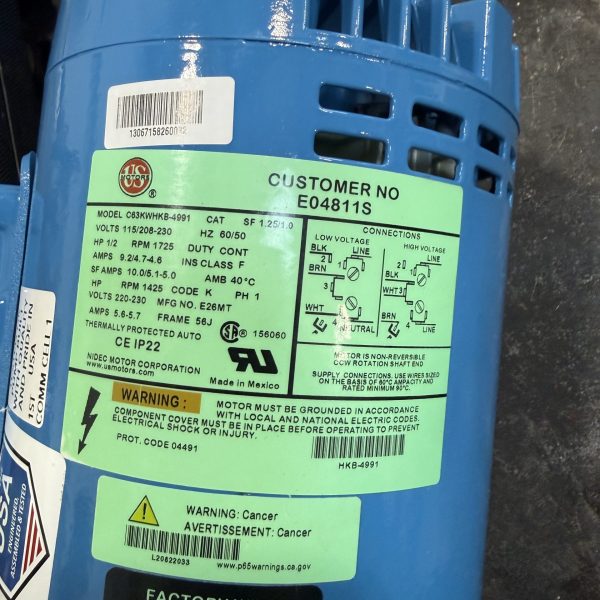
 US Motors & Nidec
 Baldor Motors
 SKF Motor Bearings
 Motor Repairs
 Armstrong
 Hoffman Specialty
 SKF Bearings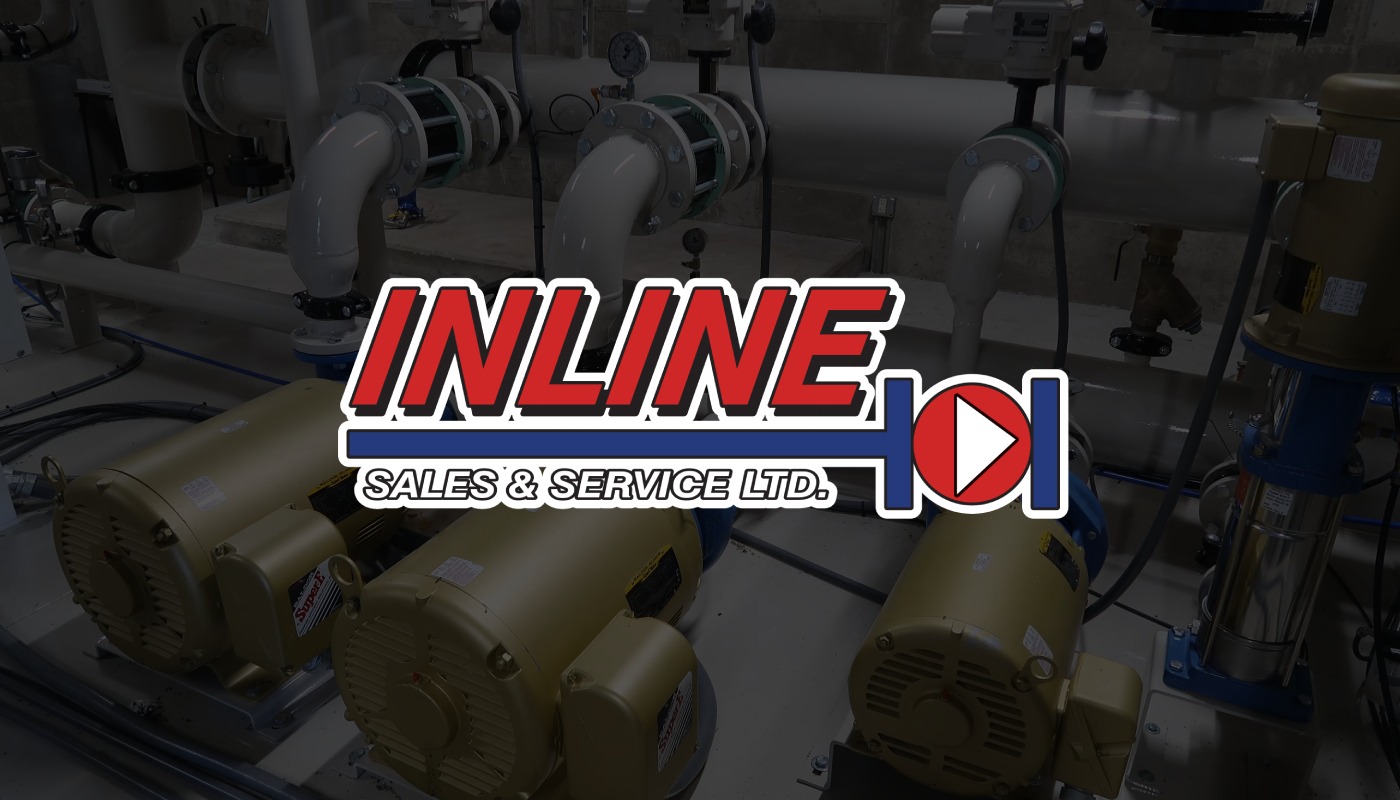
The Importance of Regular Maintenance for Commercial Pump Systems and Circulators
In commercial buildings, pump systems and circulators are the backbone of essential operations—supporting heating, cooling, water supply, and overall system efficiency. Whether it’s a high-rise, industrial facility, or institutional building, neglecting routine maintenance can lead to costly downtime, energy inefficiencies, and premature equipment failure.
Why Pump Maintenance Matters
Commercial pump systems operate under continuous demand. Over time, wear and tear on components such as bearings, seals, and impellers is inevitable. Without proper maintenance, minor issues can quickly escalate into major failures.
Routine maintenance helps to:
- Extend equipment lifespan
- Improve energy efficiency
- Reduce unexpected breakdowns
- Maintain consistent system performance
- Lower long-term operating costs
Key Components That Require Attention
1. Mechanical Seals and Gaskets
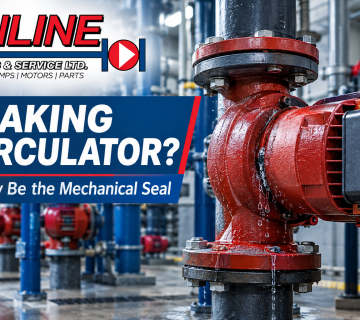
Leaks are one of the most common issues in pump systems. Worn seals and gaskets can lead to fluid loss, reduced pressure, and potential damage to surrounding components.
2. Bearings and Motors
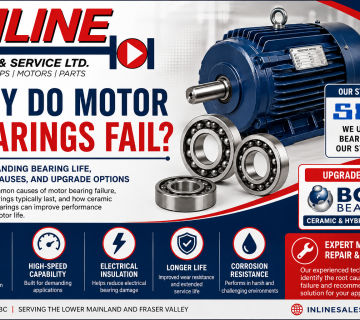
Bearings support the rotation of the pump shaft and motor. Over time, they can wear out or become misaligned, leading to vibration, noise, and eventual failure. Regular lubrication and inspection are essential.
3. Impellers
Impellers are responsible for moving fluid through the system. Damage, corrosion, or buildup can reduce efficiency and flow rates. Periodic inspection and cleaning—or trimming and balancing—can restore performance.
4. Alignment
Proper alignment between the pump and motor is critical. Misalignment can cause excessive vibration, increased wear, and energy loss. Laser alignment checks are recommended during servicing.
5. Electrical Components
Monitoring voltage, amperage, and overall motor performance ensures the system is operating within proper parameters and helps prevent electrical failures.
Circulator Pumps: Small but Critical
Circulator pumps, often used in HVAC systems, play a crucial role in maintaining consistent temperature control throughout a building. Because they run frequently or continuously, they are especially prone to wear.
Common issues with circulators include:
- Air locks in the system
- Seized or noisy motors
- Reduced flow due to buildup or wear
Routine checks ensure these smaller units continue to operate efficiently and support overall system performance.
Signs Your Pump System Needs Maintenance
Facility managers should watch for early warning signs, including:
- Unusual noise or vibration
- Reduced flow or pressure
- Leaks around the pump or piping
- Increased energy consumption
- Frequent cycling or overheating
Addressing these issues early can prevent costly repairs or full system replacements.
Preventative Maintenance Best Practices
A proactive maintenance plan is the most effective way to ensure reliability. This should include:
- Scheduled inspections and servicing
- Vibration analysis and performance monitoring
- Seal and bearing replacements as needed
- System flushing and cleaning
- Detailed record-keeping for all maintenance activities
Partnering with a qualified mechanical service provider ensures that maintenance is performed correctly and consistently.
Final Thoughts
Pump systems and circulators are critical to the daily operation of commercial buildings. Investing in regular maintenance not only protects your equipment but also ensures efficiency, reliability, and cost savings over time.
A well-maintained system is a dependable system—and in commercial environments, reliability is everything.