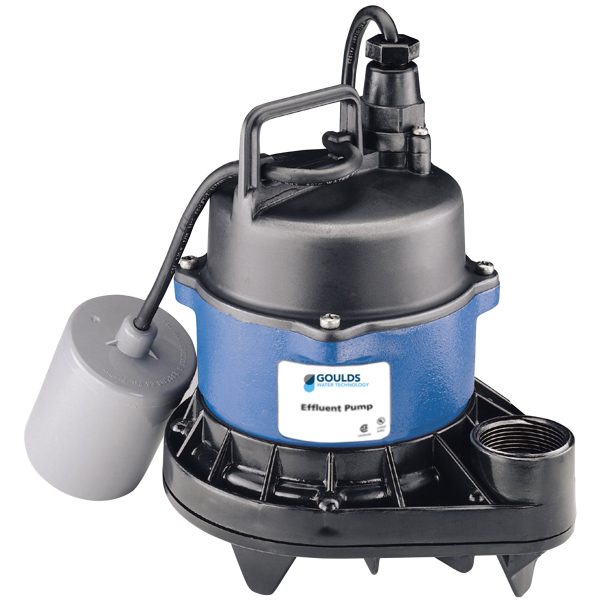
 Armstrong Pumps
 Bell & Gossett
 Taco Pumps
 Goulds Water Technology
 Grundfos Pumps
 Wilo & Scot Pumps
 Boilermag XT magnetic filter
 Circulator Pumps
 Hoffman Specialty
 John Crane
 McDonnell & Miller
 Heat Exchangers
 B&G Power Packs
 Weg Motors
 TechTop Motors
 US Motors & Nidec
 Baldor Motors
 SKF Motor Bearings
 Motor Repairs
 Armstrong
 Hoffman Specialty
 SKF Bearings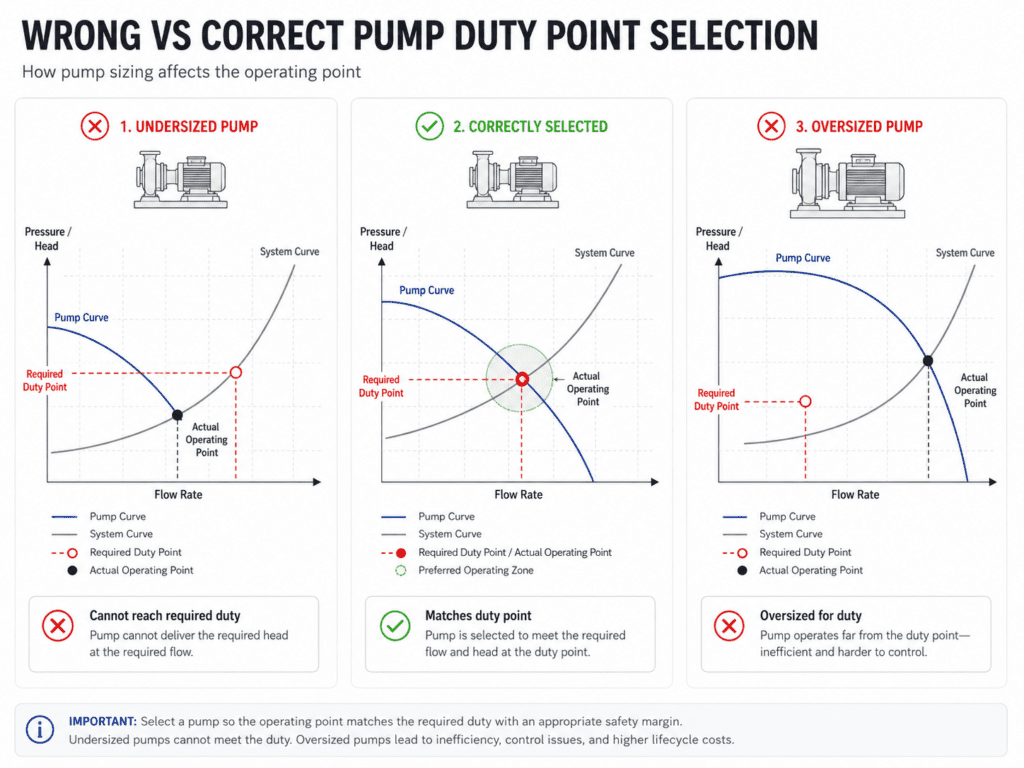
How to Test a Pump's Duty Point
When a centrifugal pump isn’t performing as expected, one of the first questions to ask is:
“Is the pump operating at its designed duty point?”
At Inline Sales & Services Ltd., we regularly troubleshoot commercial HVAC, hydronic heating, cooling, and industrial pumping systems throughout the Lower Mainland. Many pump problems can be diagnosed simply by confirming whether the pump is operating at its intended duty point.
What Is a Pump Duty Point?
A pump’s duty point is where the pump’s performance curve intersects with the system curve. It represents the flow rate and pressure (head) the pump is designed to deliver while operating efficiently.
A duty point is typically expressed as:
Flow Rate (GPM or L/s)
Total Dynamic Head (Feet or Metres)
Motor Speed (RPM)
Pump Efficiency
For example, a pump may be designed to operate at:
Flow: 250 GPM
Head: 85 ft
Motor: 1750 RPM
If your system is operating significantly above or below these values, the pump may be oversized, undersized, worn, or experiencing system issues.
Why Testing the Duty Point Matters
Testing a pump’s duty point helps determine whether the problem lies with the pump or the system itself.
Common issues include:
Reduced heating or cooling performance
Low system pressure
Insufficient flow
Excessive energy consumption
Bearing failures
Excessive vibration
Frequent motor overloads
Rather than replacing a pump immediately, verifying its duty point can often identify a much simpler and less expensive solution.
Equipment Required
To accurately test a centrifugal pump, you’ll typically need:
Pressure gauges on the suction and discharge
A flow meter (ultrasonic clamp-on or inline)
An amp clamp
A tachometer (if variable speed)
Pump performance curve
Motor nameplate information
Having the manufacturer’s performance curve is essential for comparing actual operating conditions against the original design.
Step 1: Record Suction Pressure
Measure the pressure at the pump suction while the system is operating under normal conditions.
Low suction pressure may indicate:
Blocked strainers
Closed valves
Air entering the suction line
Low water level
Suction piping restrictions
Step 2: Record Discharge Pressure
Next, record the discharge pressure.
The difference between suction and discharge pressure allows you to calculate the pump’s developed head.
This is the primary measurement used to determine where the pump is operating on its performance curve.
Step 3: Measure System Flow
Flow can be measured using:
Ultrasonic clamp-on flow meters
Inline magnetic flow meters
Balancing valves
Existing building automation system (BAS) sensors
Without measuring flow, it is impossible to accurately determine the pump’s duty point.
Step 4: Calculate Total Dynamic Head
Using the pressure readings, calculate the pump’s Total Dynamic Head (TDH).
For closed-loop HVAC systems, this is generally based on the differential pressure across the pump.
The calculated head is then compared with the measured flow.
Step 5: Compare With the Pump Curve
Locate the measured flow on the manufacturer’s performance curve.
Move vertically until you intersect the calculated head.
This intersection represents the pump’s actual operating point.
Now compare it with the original design duty point.
If the operating point differs significantly, investigate why.
Common Reasons a Pump Misses Its Duty Point
Worn Impeller
Over time, impellers wear due to erosion or corrosion, reducing pump performance.
Incorrect Pump Speed
A failed VFD, incorrect programming, or motor replacement can alter pump speed.
System Changes
Adding equipment, modifying piping, or replacing coils changes the system curve.
Air in the System
Entrained air reduces flow and causes unstable operation.
Closed or Partially Closed Valves
Isolation or balancing valves may not be fully open.
Plugged Strainers
Dirty strainers increase system resistance and reduce available flow.
Mechanical Wear
Worn bearings, damaged wear rings, or seal failures reduce pump efficiency.
Don’t Forget to Check Motor Performance
Testing the duty point also includes verifying motor performance.
Measure:
Motor amperage
Voltage
Phase balance (three-phase motors)
Motor temperature
An overloaded motor may indicate the pump is operating too far to the right of its curve, while unusually low amperage may suggest insufficient flow or reduced system demand.
When a Pump Curve Doesn’t Match Reality
Occasionally, the measured duty point appears correct, but the system still isn’t performing properly.
In these cases, additional issues may be affecting the system, including:
Air locks
Incorrect balancing
Control valve problems
Fouled heat exchangers
Plugged coils
Incorrect pump rotation
Sensor calibration errors
A complete system evaluation is often required to identify the root cause.
How Inline Sales & Services Ltd. Can Help
At Inline Sales & Services Ltd., we specialize in diagnosing and restoring commercial pumping systems to peak performance.
Our experienced technicians can:
Test pump duty points
Measure flow and pressure
Troubleshoot HVAC hydronic systems
Repair centrifugal pumps
Replace mechanical seals and bearings
Perform complete pump rebuilds
Supply replacement pumps and OEM-quality parts
Assist with proper pump selection and sizing
Whether you operate a commercial office building, strata complex, industrial facility, or institutional property, our team has the experience to ensure your pumping system is operating efficiently and reliably.
Contact Inline Sales & Services Ltd.
If your pump isn’t delivering the performance your system requires, don’t assume it needs replacement. A professional duty point test can identify the real issue and often save significant repair or replacement costs.
Contact Inline Sales & Services Ltd. today for expert pump testing, troubleshooting, repairs, and replacement solutions. We proudly serve customers throughout Surrey, Vancouver, the Lower Mainland, and across Canada with quality pumps, parts, and technical expertise.